
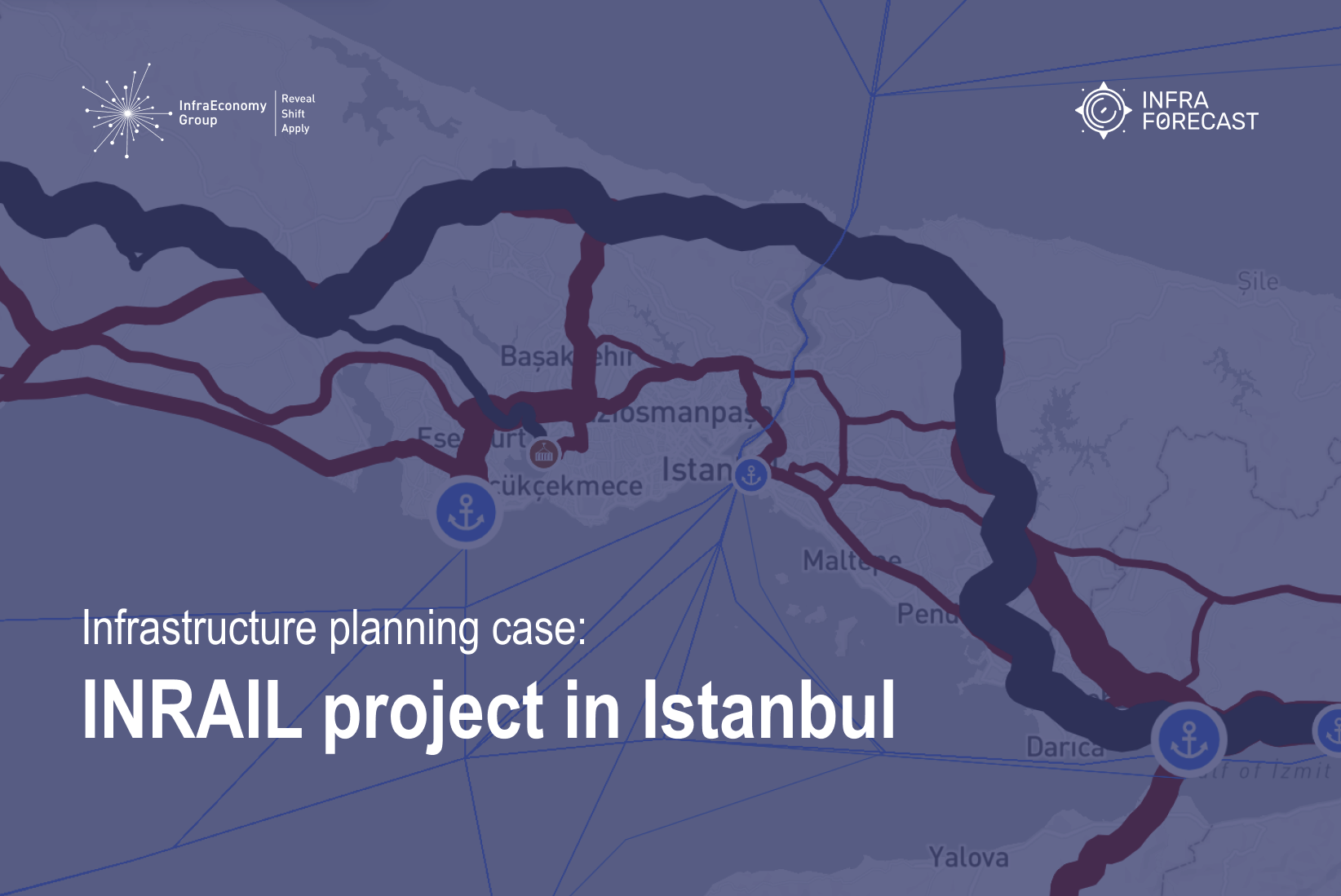
🇹🇷 Infrastructure planning: INRAIL project in Istanbul (Client Case)
Infrastructure planning for INRAIL, Istanbul: integrated passenger and freight demand modelling, economic appraisal and financing scenarios supporting IFI investment decisions.

Infrastructure planning for INRAIL, Istanbul: integrated passenger and freight demand modelling, economic appraisal and financing scenarios supporting IFI investment decisions.
InfraEconomy designed modern rail tariff systems for Kazakhstan and Uzbekistan, strengthening competitiveness and enabling cost-reflective, investor-oriented pricing.
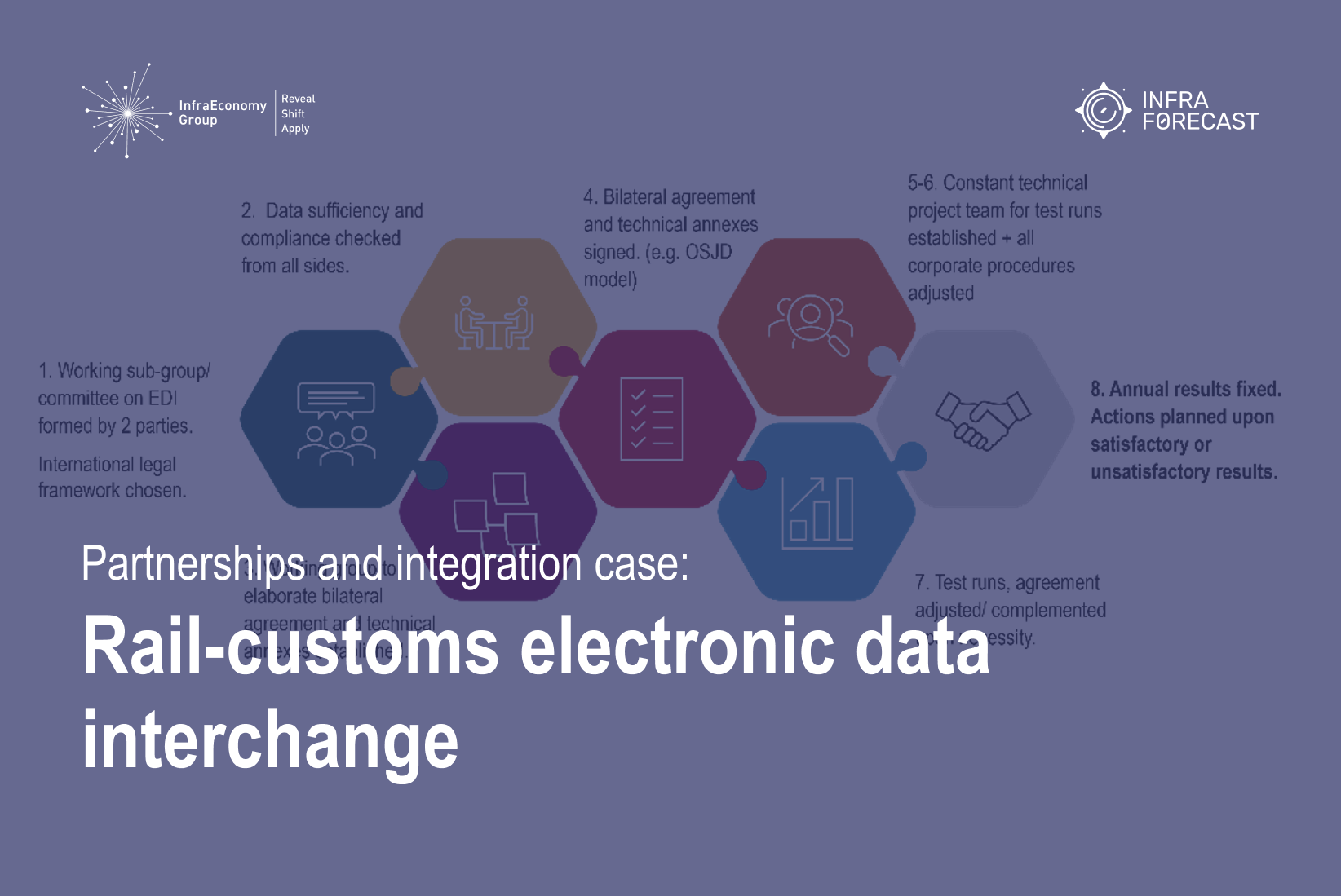
InfraEconomy supported ESCAP in designing rail–customs data exchange, later selected by the WCO as a pilot for regional digital trade facilitation.
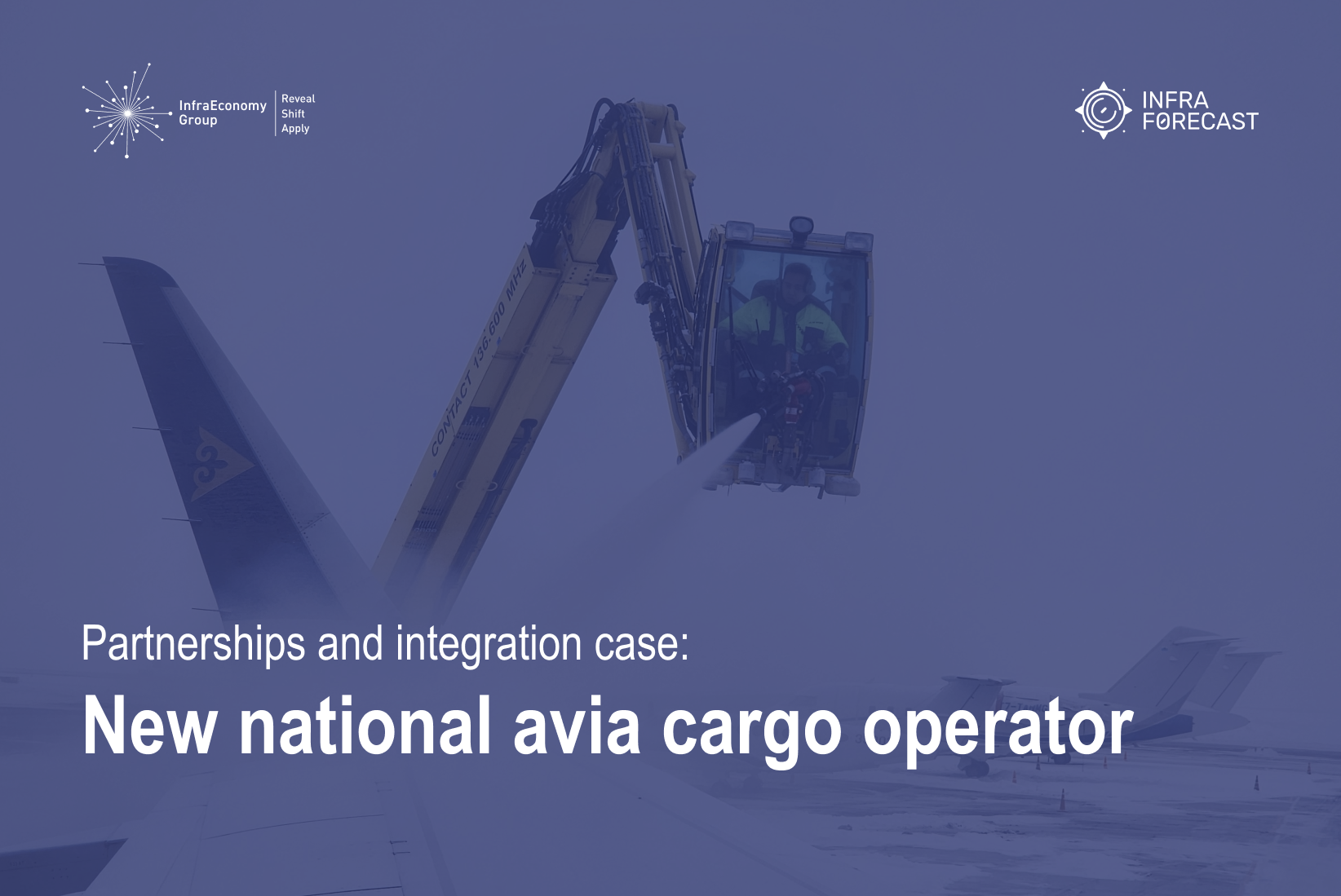
InfraEconomy supported the creation of Kazakhstan’s first national air cargo airline, delivering the strategy, financial model and launch framework.
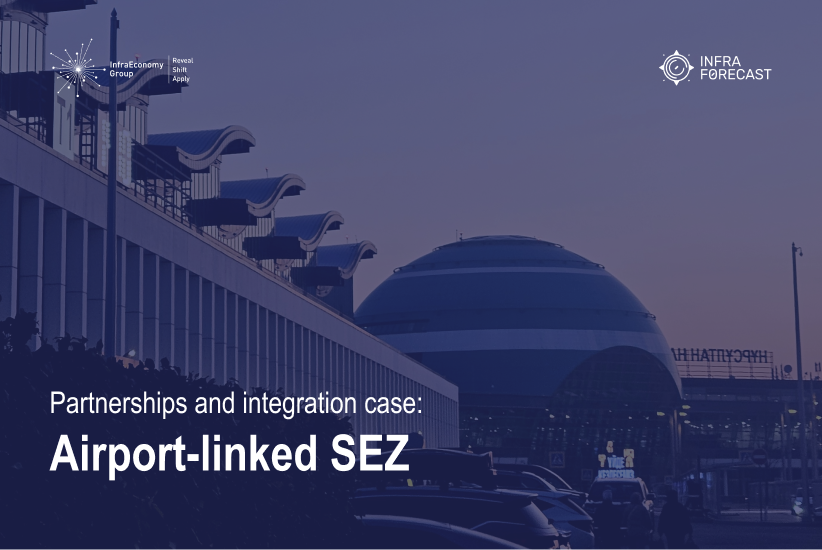
InfraEconomy supported the design of an airport-linked SEZ, shaping governance and resident strategy for a nationally prioritised airport development.
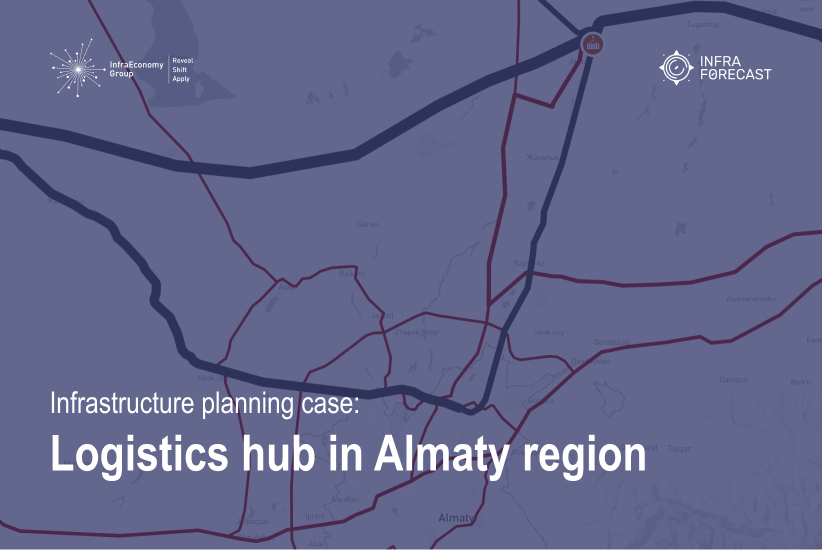
InfraEconomy supported the development of Kazakhstan’s largest private rail-based logistics hub, from concept design to bankable structure and investor engagement.
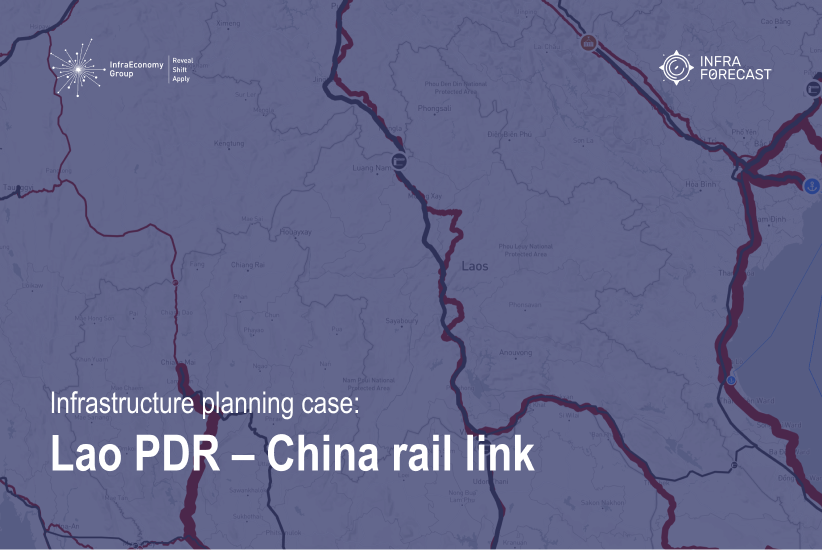
InfraEconomy supported ESCAP in integrating the Lao–China rail link into international regulatory and customs frameworks, strengthening corridor performance and sustainability.
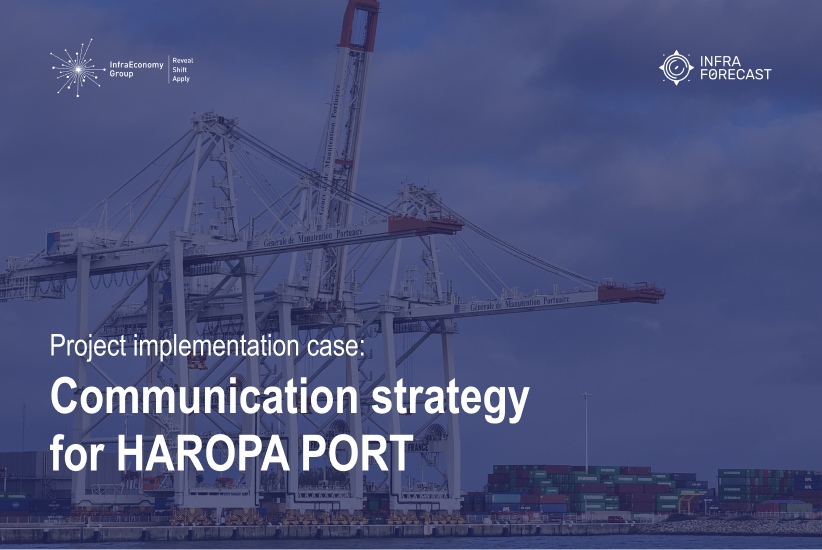
InfraEconomy supported HAROPA PORT with a forecast-driven communication strategy, identifying priority cargo segments and shaping international positioning.
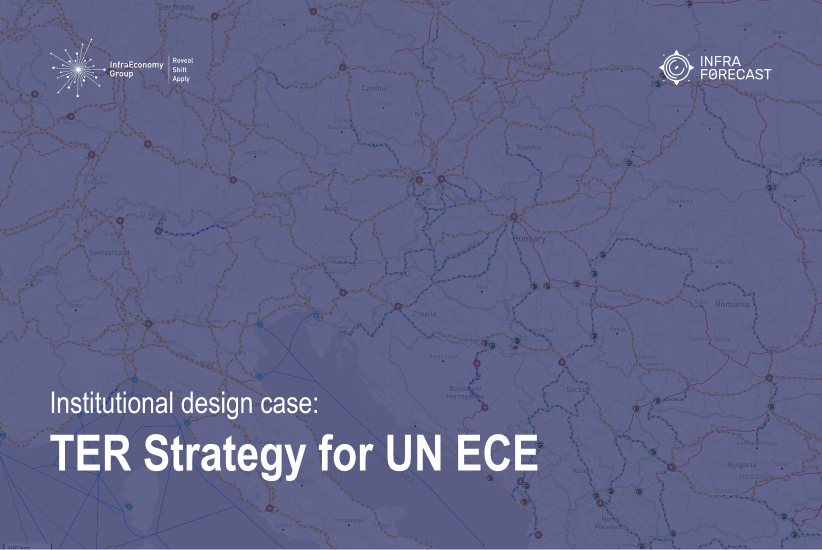
InfraEconomy developed the UNECE TER Strategy, aligning governance and investment planning for cross-border rail connectivity across Eastern and South-Eastern Europe.
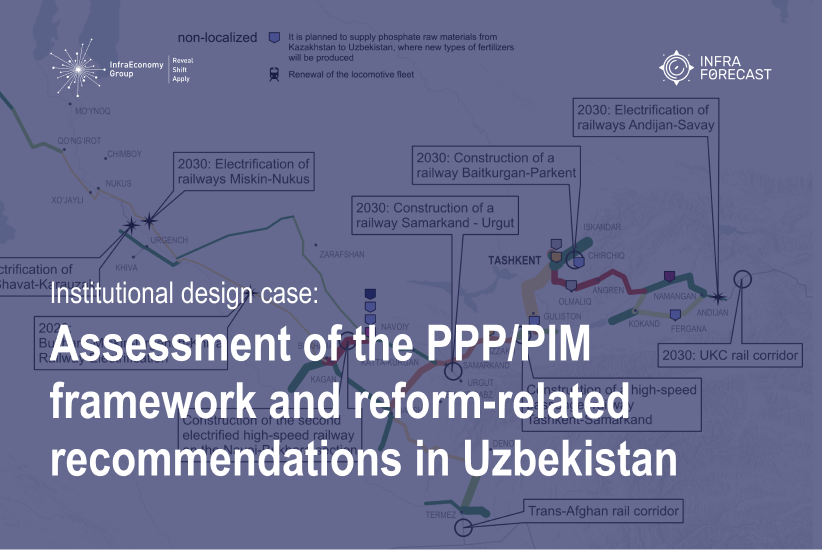
InfraEconomy supported the World Bank in assessing Uzbekistan’s rail PPP and PIM framework, informing reform priorities and project structuring under the Bank’s sector strategy.
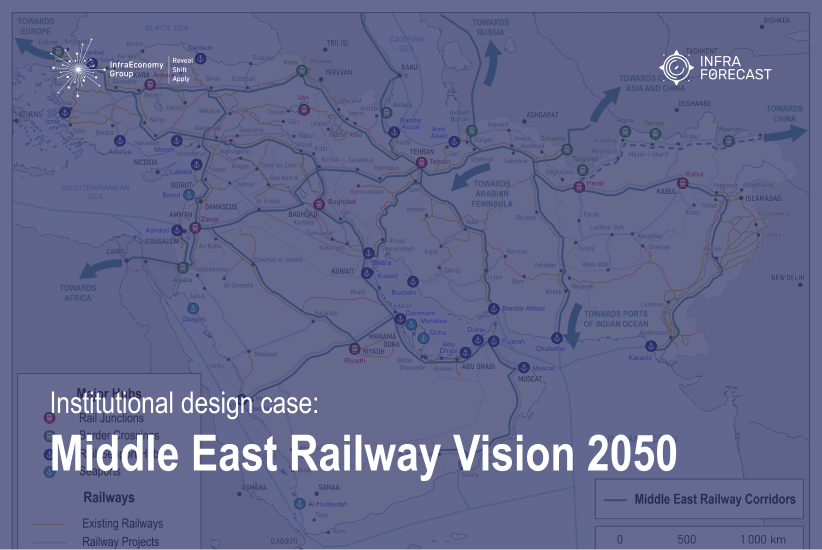
InfraEconomy developed the Middle East Railways Vision 2050 for UIC, aligning national plans into a shared regional framework for rail strategy and investment.
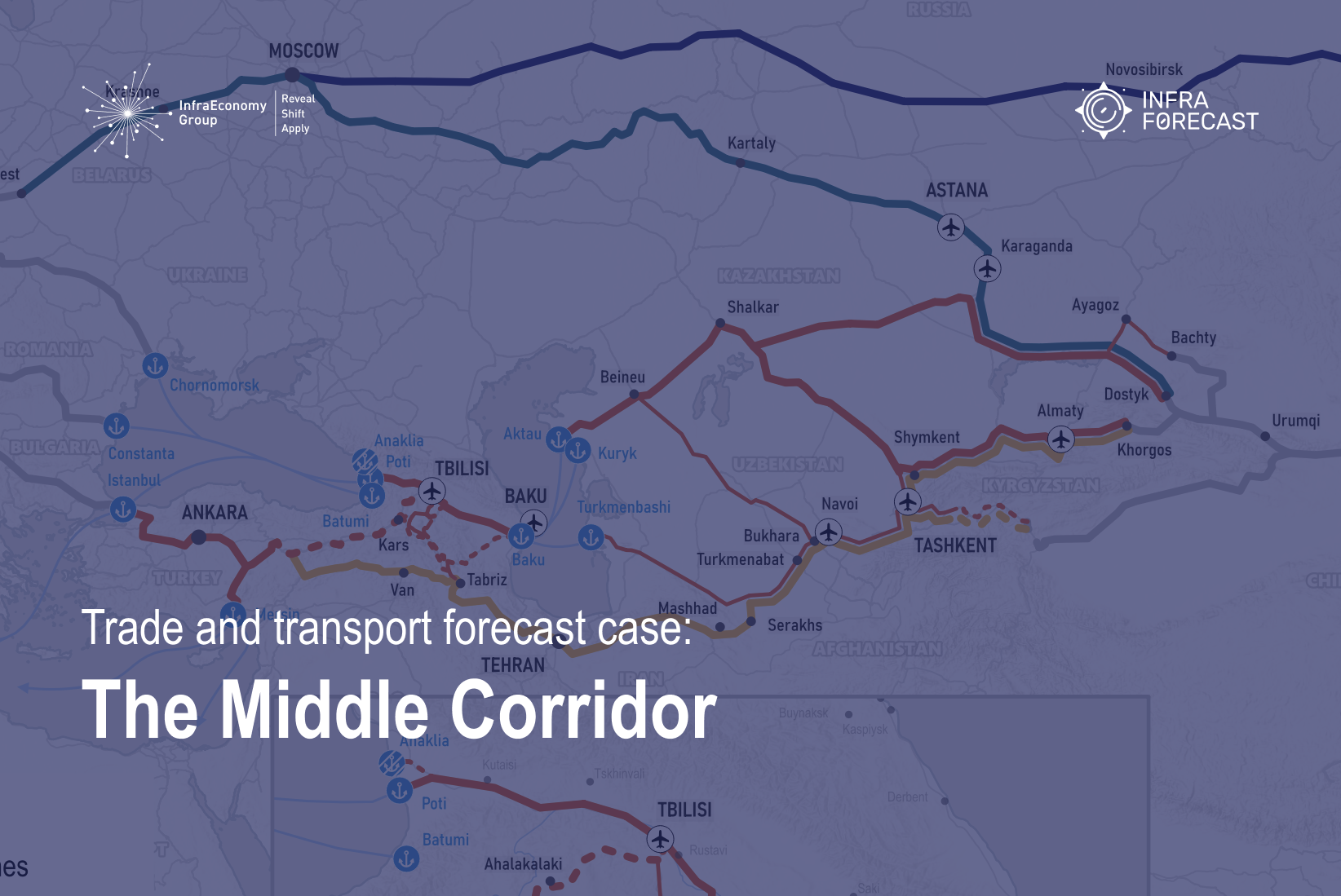
InfraEconomy supported the World Bank in reassessing Middle Corridor freight potential, using scenario-based modelling to inform updated investment priorities for Eurasian connectivity.