


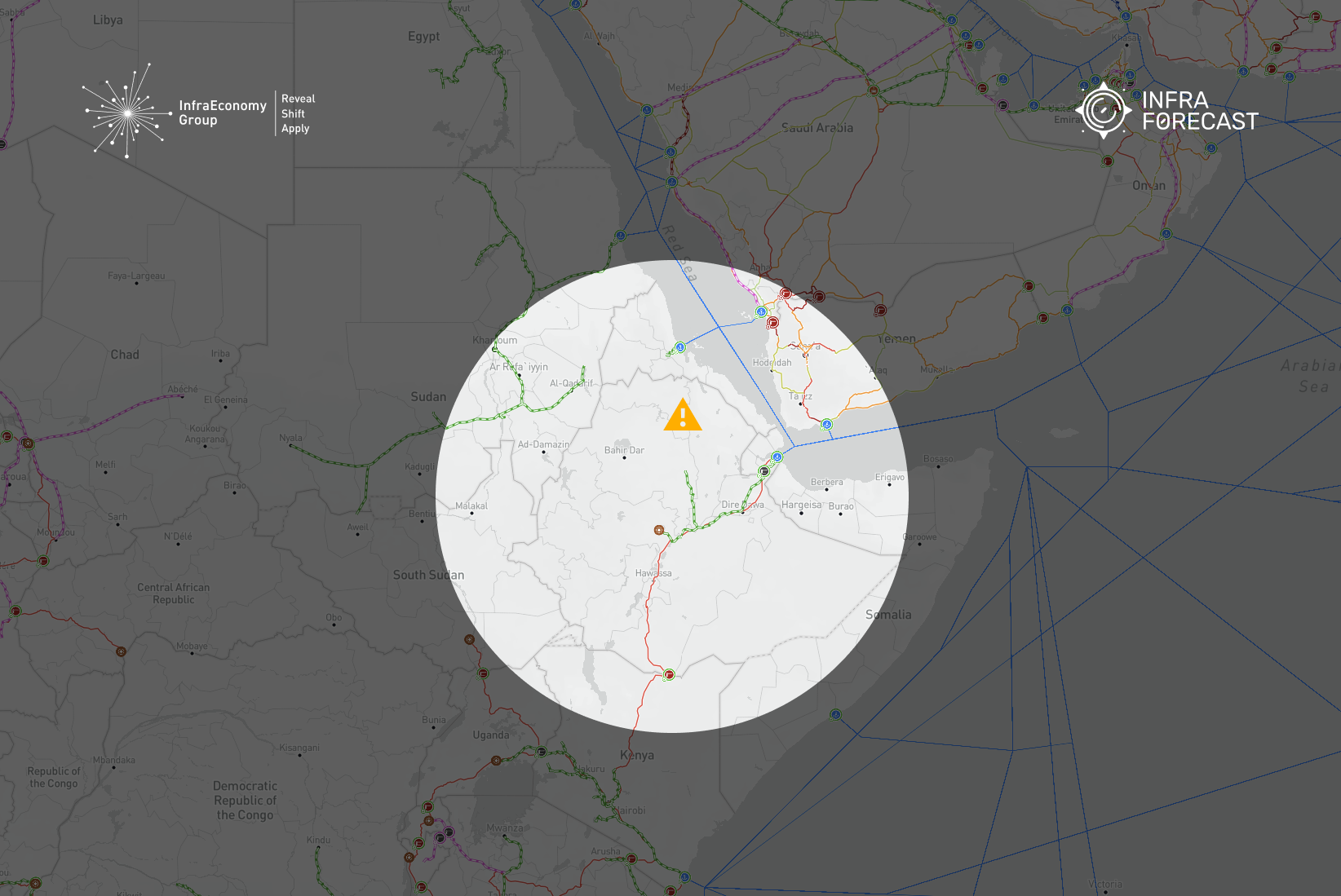
Clashes re-erupted in Ethiopia’s Tigray region on 29 January 2026, with fighting reported in western and southern Tigray, including the Tselemti district and towns in the south of the region. The renewed violence led to temporary disruption of transport and access, including the suspension of scheduled air services between Addis Ababa and Tigray destinations for several days before operations were reinstated on 3 February. While there have been no confirmed nationwide highway closures, local road mobility in parts of Tigray has been constrained by insecurity and active military operations.
Beyond the immediate transport impacts, the episode carries clear escalation signals. Ethiopia has accused Eritrean forces of operating on Ethiopian territory and formally demanded their withdrawal, while international and local actors warn of the risk of renewed, broader conflict. If the situation deteriorates further, additional disruptions—such as renewed transport suspensions, tighter movement controls, or communication restrictions—cannot be ruled out.
If the conflict escalates, regional trade would face higher costs and lower reliability rather than outright disruption. Ethiopia’s dependence on the Djibouti corridor would deepen, alternative routes would close, and transit risk premiums across the Horn of Africa would rise, even without a breakdown of global shipping lanes.
InfraDisruption – InfraEconomy’s recurring insight series examining major transport disruptions and their impact on global logistics networks. Building on these insights, InfraEconomy offers a range of high value-added services from emergency re-routing to long-term contingency strategies. Join our client network.